




1 Overview: Behavioral Economics, Addiction, and Self-Control 2. Cognitive Biases: A Primer on Behavioral Economics 3. Definition and the Nature of Addiction 4. The Nature of Emotions 5. The Role of Emotion in Decision Making 6. Choice Over Time 7. Anxiety and Decision-Making 8. Addiction and Choice 9. Sources of Self-Control Problem in Relation to Dieting Setbacks 10. Defining Self-Control: The Key Ingredients of Self-Control 11. Mitigating Self-Control Problems: How to Discipline Impulse 12. Conclusion
Biography
Shahram Heshmat, PhD, is a faculty member in the Public Health department at the University of Illinois at Springfield. He specializes in teaching Health Economics of Eating Behavior & Addiction.
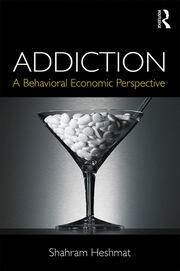
"Shahram Heshmat's Addiction: A Behavioral Economic Perspective aims to summarize the behavioral economics of addiction, describing both factors that contribute to addiction and factors that lead to recovery, in a book aimed at clinicans, college students, and researchers in the fields of addiction, public health, and behavior therapy. Individuals who are interested in understanding or changing their own addictive behavior or that of their loved ones will also find this book interesting, as will those concerned with substance use and addiction policy and health care. More generally, Addiction provides an accesible and fairly comprehensive overview of the current scietific understanding of addiction, including neurobiological theories, as well as a general introduction to behavioral economics that is well sutied for the general public and scientsts or addiction professionals who are neophytes to this discipline... One unique feature of this book relative to other books on the behavioral economics of addiction is that it integrates a number of constructs from outside of behavioral economics that contribute to addiction and/or recovery... [It] is in many ways a hybrid of a general book on addiction and a book on the behavioral economics of addiction... I think readers will appreciate this integrative, inclusive and fascinating overview of the behavioral economics of addiction." -James G. Murphy, University of Memphis, PsycCRITIQUES
