




1st Edition
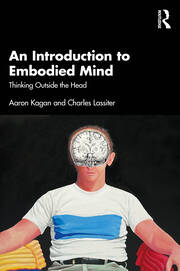
An Introduction to Embodied Mind Thinking Outside the Head
Gratitude
Part 1: Framing the Question
Chapter 1: Introduction
Chapter 2: From aporia to philosophy
Chapter 3: The rise and fall of disembodiment
Chapter 4: The extended mind
Part 2: Refining the Theories
Chapter 5: Interlude
Chapter 6: Interpretations of the extended mind
Chapter 7: Weak embodied cognition
Chapter 8: Objections to weak embodied cognition
Chapter 9: Strong embodiment
Chapter 10: Objections to strong embodiment
Part 3: Applications and Extensions
Chapter 11: Interlude: Exposition to application
Chapter 12: Free will, determinism, and embodiment
Chapter 13: Ethics and embodiment
Chapter 14: Technology and embodiment
Chapter 15: Future directions
Suggested reading
Glossary
Biography
Aaron Kagan is a Staff User Experience Researcher at Google and the founder of GraspingAI, a consultancy that helps businesses strategize and implement generative AI technologies. He serves as Chair of the American Philosophical Association’s Committee on Non-Academic Careers, supporting graduate students and PhDs pursuing diverse career paths.
Charles Lassiter is Professor of Philosophy at Gonzaga University. His areas of research include philosophy of mind and social epistemology, focusing on issues at the intersection of cognition and culture. He also collects and analyzes data about the academic philosophy job market.
“An Introduction to Embodied Mind is a terrific introductory text on the philosophy of embodied and extended cognition. The authors bring philosophical issues to life through intriguing real-world examples and case studies, explicitly addressing applied topics of ethical and personal significance alongside their coherent and powerful framework in philosophy of mind. A focused line of thought is established over the course of the book, even while the authors give fair attention to approaches which diverge from their preferred one. Students in all areas of Philosophy, as well as other researchers interested in embodied cognition, will enjoy and benefit from this book”.
John Sutton, Professor in Philosophy at Stirling University, Scotland
