




1st Edition
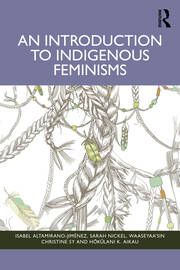
An Introduction to Indigenous Feminisms
Introduction
PART I: Indigenous Ontologies: Epistemologies and Feminisms
1. What Are Indigenous Feminisms?
2. Indigenous Feminist Theories and Methodologies
3. A “Kin”ealogy of Indigenous Feminisms: Stories of Indigenous Feminisms
PART II: The Race-Patriarchy-Colonialism-Capitalism Connection
4. Colonialism, Land, Bodies, and Indigeneity
5. Gender Violence and State Formation
6. Indigenous Sexuality and Relationality
PART III: Indigenous Women’s Resistance and Indigenous Feminist Futures
7. Resistance and Refusal
8. Relations with Lands and Waters
9. Visioning Indigenous Feminist Futures
Appendix: The Indigenous Feminist Collective Reading List @indigenousfeminisms
Biography
Isabel Altamirano-Jiménez is Professor and Canada Research Chair in Comparative Indigenous Feminist Studies at the University of Alberta.
Sarah Nickel is Associate Professor and Canada Research Chair in Indigenous Politics and Gender at the University of Alberta.
waaseyaa’sin Christine Sy is Associate Professor in Gender Studies at the University of Victoria.
Hōkūlani K. Aikau is Professor in the School of Indigenous Governance at the University of Victoria.
