




1st Edition
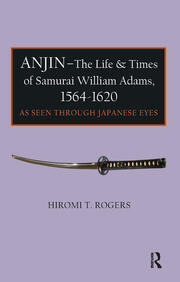
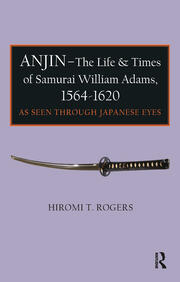
Anjin - The Life and Times of Samurai William Adams, 1564-1620 A Japanese Perspective
Biography
Hiromi T. Rogers was born in the Shiba district of central Tokyo into a family of steel manufacturers, headed, unusually in those days, by her redoubtable grandmother. Her ancestors were samurai and from an early age she immersed herself in samurai films and literature. Graduating from Hosei University in 1983, she left Japan for the UK in 1989, initially to improve her English but ultimately obtaining a PhD at the University of Exeter. Hiromi lives in Devon, with her husband a former diplomat. She is also a prize-winning calligrapher and botanical artist.
“A most readable account….enriched by detailed observations of Japanese culture and society of the time… Her writing is immediate and highly engaging and the reader is at once drawn into the story. The novel-like approach to telling her tale is extremely effective, and what a tale there is to tell.”
Ian de Stains OBE, Acumen, British Chamber of Commerce in Japan Journal
“I knew the outline of this extraordinary story, but Hiromi Rogers puts authentic detail and colour into the story and makes you care about the man…The ship-building, the battles, the rivalry between Adams and the Portuguese Jesuits over trade….I found it all gripping.”
Christine Skipsey, Kent Messenger
“Hiromi Rogers reveals a far more detailed and complex picture of Adams as a man and of the turbulent times he lived in………many fascinating nuggets of information……highly readable and can be strongly recommended… A most entertainingly written book and a rattling good yarn, not to be missed.”
Nicolas Maclean CMG, Japan Society Journal.
“Hiromi Rogers has produced a riveting account, based on contemporary sources, of the relationship between Adams and [Shogun] Ieyasu. The narrative is fast paced and exciting…..Rogers’ research is meticulous…..it’s hard to put this book down... A gripping story and vivid historical reconstruction….deeply absorbing…..astonishing detail….very powerful narrative line. The writing is clear and illuminating… What I most enjoyed were the psychological insights…..more than justify her claim that the reasons for Adams’ success in Japan benefit from being analysed and explained by an historian embodying both English and Japanese sensibilities.”
Edmund Marsden
"This marvellous book… the author’s studied gentleness and a notable deference to her readers inform every word."
Thumbtom
"A gem of a story… A gem of a read. At last an insightful, absorbing and definitive telling of William Adams."
Steve Murphy
"A rip-roaring yarn… marvellous eye for detail… a fabulous sense of Edo Japan its rituals, warriors … ground-breaking new facts… highly recommended."
Rebecca Newman
“The book is exceptional. Born from meticulous research and written with remarkable elegance. Congratulations to the author!”
Emelia
“The best story of William Adams I have seen. The author is able to fill in the blanks in history due to her understanding of Japanese culture. Highly readable.”
Pfennig-san
