




1st Edition
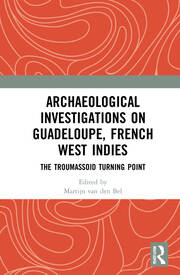
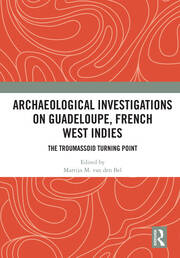
Archaeological Investigations on Guadeloupe, French West Indies The Troumassoid Turning Point
1. General presentation
Martijn van den Bel
2. Context
Martijn van den Bel and Christophe Jorda
3. Site Level
Martijn van den Bel and Thomas Romon
4. Material Culture
Martijn van den Bel, Sebastiaan Knippenberg, Fabrice Casagrande, Karlis Karklins, Nathalie Serrand, Sandrine Grouard, and Noémie Tomadini in collaboration with Marine Durocher, Eric Pellé, and Brigitte David
5. Microanalysis
Jeanne Brancier and Cécilia Cammas, Ruth Dickau and Jennifer Watling, Jaime Pagán-Jiménez, Gilles Fronteau and Martijn van den Bel
6. Synthesis: The Troumassoid Turning Point: Local Development or Introduction of New Houses, Subsistence Patterns, and Ceramics?
Martijn van den Bel, Sebastiaan Knippenberg, Sandrine Grouard, Thomas Romon, Noémie Tomadini, and Nathalie Serrand
7. Epilogue: From Saladoid to Troumassoid: A Ceramic Analysis
Arie Boomert
Biography
Martijn M. van den Bel is an archaeologist and project leader for Inrap in the Lesser Antilles and French Guiana. In addition to his work in project-led archaeology, he participates in various multidisciplinary projects as an archaeologist addressing the impact of ancient human presence in the tropical forest of French Guiana. He also conducts archival research contemplating the Colonial Encounter in the Lesser Antilles and the Coastal Guianas during the 17th century.
"Archaeological Investigations on Guadaloupe, French West Indies: The Troumassoid Turning Point is a must read for all researchers and students specializing in the prehistory of the Caribbean region. This immersive multidisciplinary work highlights how multivariate evidence can assist in providing a better understanding on the processes and markers of change in the transition from the Saladoid to the Troumassoid periods that shaped the landscape and people of the region prior to European colonization. A wonderfully written and illustrated book documenting the excavation of four Troumassoid sites in the island of Guadeloupe. The extensive work of INRAP in the French isles has been primarily limited in distribution to archaeologists fluent in French. This publication allows the wider archaeological community access to important information that not only informs about the work but also allows us to better understand this time period within the larger Caribbean context. Our field benefits from our diversity in practices, ideas, exploration, breakthroughs and perspectives. This book delivers on all fronts." Sophia Perdikaris, Director, School of Global Integrative Studies.
