





1st Edition
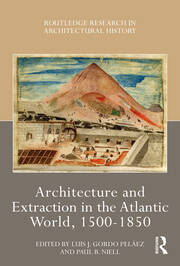
Architecture and Extraction in the Atlantic World, 1500-1850
List of Figures
List of Contributors
Introduction: Building for Atlantic Extraction.
Luis Gordo Peláez and Paul Niell
Chapter 1. Early Modern Mining Exchanges Across Empires
Janna Israel
Chapter 2. Purchasing a Poisoned City: Indigenous Andeans and Urban Space in Sixteenth-Century Huancavelica
Mark P. Dries
Chapter 3. New Functions of Mining Heritage in Mexico
Miguel Ángel Sorroche Cuerva
Chapter 4. The Ice House: Industry and Ritual in the Nineteenth-Century Frozen Water Trade
Louisa Iarocci
Chapter 5. Contesting the Colonial Illu: Sealing and Social Change in Kalaallit Architecture, 1750-1860
Kirstine Møller and Bart Pushaw
Chapter 6. From Ireland to Barbados: Architecture of Extraction in British Colonies
Lee Morrissey
Chapter 7. Whiteness Among People of Color at Atlantic World Extraction Sites: A Comparative Study of the Indigenous Diamond Hill and Black Melrose Plantations
Barry L. Stiefel
Chapter 8. Absentee Architecture: Remote Building Across the British Atlantic, c. 1800
Jonah Rowen
Chapter 9. Space, Science, and Slavery in Havana’s Botanical Garden
Lee Sessions
Chapter 10. The World’s Greatest Depot: West India Docks, Warehouses, and Flexibility
Georgios Eftaxiopoulos
Chapter 11. Choice Spirits or the Alloy of Slavery: Samuel Blodget’s First Bank of the United States
Peter Minosh
Chapter 12. Castle Brew: Dreams Realized and Dreams Devastated
Courtnay Micots
Chapter 13. Architecture of Indigo Dye Extraction in the Atlantic Context: The Case of Charleston and Rio de Janeiro in the Eighteenth-Century
Alexander Lima Reis
Chapter 14. From Caravans to Railroads: Trails, Architecture, and Urban Networks in Rio Pardo’s Eighteenth- and Nineteenth-Century Landscapes of Extraction
Rafael Augusto Silva Ferreira and Renata Baesso Pereira
Index
Biography
Luis Gordo Peláez is Assistant Professor in the Department of Art, Design and Art History at California State University, Fresno. His work examines the urban reform projects and public works agenda of the late colonial Mexican cities, particularly in Bourbon Guanajuato and the region of El Bajío.
Paul Niell is Associate Professor in the Department of Art History at Florida State University. His research focuses on the art, architecture, and material culture of the Hispanophone Caribbean in the late eighteenth and early nineteenth centuries.
