




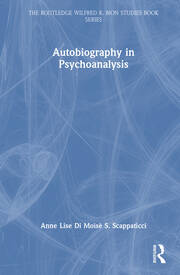
Presentation of the book (João Carlos Braga) Foreword (Julio Frochtengarten) Introduction Part 1: Living the emotional experience of psychoanalysis 1. Bonds and the Individual’s Odyssey in the Group 2. First steps on the Moon: The Movement of the Analytic Pair in the ‘Becoming Room’ 3. From clouds and clocks: a personal reflection on the psychoanalytic method 4. The nebulous domain: From ghosts to psychoanalysis, that is our question! 5. Notes on the psychoanalytic object in Wilfred Bion’s work Part 2: Autobiography of the psychoanalyst: life and work intertwined 6. Taming: transience between oneself and the group 7. M’illumino d’immenso: fictions and narratives of autobiography 8. Autobiography and poetics
Biography
Anne Lise Di Moisè S. Scappaticci is a training psychoanalyst and professor at the Psychoanalytical Society of São Paulo (IPA), postdoctoral researcher in clinical psychology and clinical psychologist trained in Italy and Brazil.
“Powerful depictions of the role of the analyst’s autobiography in therapeutic work. Ways that the analyst's autobiography interacts with the patient and oneself are explored in the search for mutual growth. A compelling work with ways that make us tick and how to work with it.”
Michael Eigen, PhD, author of The Psychoanalytic Mystic, The Sensitive Self and The Challenge of Being Human and Faith“This book presents an original idea about the psychoanalytical process, named as an autobiographic activity. This unique view, just for itself, might inset from more words. However, it is important to highlight the author’s efforts in elucidating how creating a real story about someone’s life is important for human emancipation.”
Arnaldo Chuster, author of A Lonesome Road, Language of Psychoanalytical Range and Bion’s Transformation Revisited and Expanded“Scappaticci’s exquisite poetic writing uses Bion as a backdrop as she weaves together a timeline of scholars from the ancient Greeks to today. Her profound way of listening to her patient’s inner voice combined with her own autobiographical offerings illustrate her compelling case studies.
Her work is bold, searingly vulnerable, inquisitive and evokes deeply emotional and intellectual states of being. Scappaticci viscerally understands how essential it is to make room for anguish and frustration, while also welcoming and supporting the ubiquitous human condition.”
Keri S. Cohen, LCSW, BCD, co-editor of Toxic Nourishment and Damaged Bonds in the Work of Michael Eigen: Working with the Obstructive Object and Primary Process Impacts and Dreaming the Undreamable Object in the Work of Michael Eigen: Becoming the Welcoming Object“From the sample chapters I have read, the book is impressively structured. The author succeeds in presenting her clinical experience while emphasizing what she considers essential: listening to silent emotional voices, which requires a sustained openness to observing both the patient’s inner world and the psychoanalyst’s own inner life.
By encouraging the use of intuition and emotional experience emerging from the shared space between analyst and patient, the author highlights the importance of integrating the inner world into clinical work. This becomes especially powerful when art is introduced as a mode of expression and transformation. The book offers a rare insight into the subtle way Bion understood analytic work: as requiring the condition of being an artist.
The author’s writing flows with clarity and grace, engaging the reader through an original blend of personal reflection and clinical insight. Her autobiographical elaborations enrich the scientific dimensions of her thought. To me, this approach is deeply compelling, for, as Bion reminds us, psychoanalysts must not only know, but also become themselves.
This book presents an innovative theme, well-structured chapters and a fresh understanding of autobiography within psychoanalysis, an idea deeply cherished by Wilfred Bion. It makes a significant contribution to psychoanalytic thought, inviting psychoanalysts to approach their own inner worlds as a pathway toward ‘O’.”
Snia Maria Godoy, psychologist
