





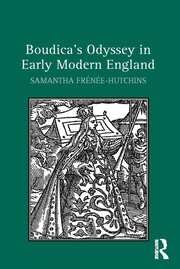
Biography
Samantha Frénée-Hutchins is a Senior Lecturer in the Department of English at Orléans University, France.
'... this book combines academic rigour with generosity of spirit. From start to finish, Frénée-Hutchins reveals her concern to open pathways for later exploration. Even the Appendix is a gift to future Boudicans: it consists of the Italian text of Ubaldini’s lives of Voadicia, Bunduica, and Cartimandua, with English translations by Dr. Valentina Vulpi. Boudica’s Odyssey in Early Modern England not only examines, but constitutes, a legacy.' The Spenser Review 'Frénée-Hutchins’s study does an excellent job in teasing out the nuanced contemporary social and political implications of such tensions in historical and literary representations of the warrior queen. ... [She] expertly connects historical and literary representations of the Briton warrior queen to the writing and reimagining of early British history and contemporary anxieties about the idea of a multination state.' Renaissance Quarterly
"The content is engagingly written and comprehensively researched, and will be a useful resource to anyone interested in political imagery in early modern England or the reception of the classical world in the Renaissance." – Aidan Norrie, University of Otago
