




1st Edition
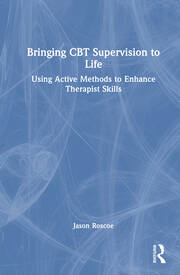
Bringing CBT Supervision to Life Using Active Methods to Enhance Therapist Skills
Part 1: Reasons to Get More Active in Supervision 1. Introduction 2. Meeting the Needs of your Supervisees 3. Core Functions of Supervision 4. CBT Supervision: Distinctive Features 5. Understanding Therapist Skill Development 6. Stages of Therapist Skill Development 7. Identifying Blocks to Therapist Skill Development 8. Understanding Supervisory Drift Part 2: Creating Solid Foundations 9. Establishing a Basic Structure 10. Starting Well: Going Beyond the Paper Contract 11. Addressing Difference and Diversity 12. Managing the Supervisory Relationship Part 3: How to Get More Active in Supervision 13. Using Routine Outcome Measures to Guide Clinical Decision Making 14. Reviewing Live Material 15. Scaffolding Therapists Learning Through Deliberate Practice 16. Self-Practice of CBT Methods 17. Identifying and Responding to Therapist Drift 18. Identifying and Managing Supervision Interfering Behaviours 19. Formulating and Managing Avoidant, Resistant or Defensive Supervisee Behaviour 20. Using Chair Work to Embody Different Perspectives
Biography
Jason Roscoe is a BABCP accredited Cognitive Behavioural Therapist and supervisor. He is an experienced trainer of supervisors and has published research on supervision practices within CBT. He has a particular interest in supervisory drift and the interpersonal processes within supervision and regularly presents at conferences nationally and internationally on these topics.
'This very readable and accessible book offers both the new and experienced CBT clinical supervisor a wonderfully layered approach to addressing the many contemporary issues encountered in supervisory practice. It will make a real difference in how a supervisor makes sense of the many moving parts of CBT clinical supervision.'
John Storey, CBT Pathway Lead for PG Cert Supervision Skills, Psychological Therapies Training Centre, Greater Manchester Mental Health Foundation Trust
'Whether you're a seasoned supervisor or just beginning your journey, this book provides practical guidance, and a compassionate lens through which to view the complexities of supporting others in their professional development. It is thoughtfully written and deeply grounded in both theory and real-world practice, offering a rich, reflective exploration of the supervisory relationship. A must-read for those committed to fostering growth, resilience, and excellence in clinical practice'.
Sarah Priestley, Programme Lead for the CBT Training Programme at the University of Lincoln
'Informed by the current evidence-based literature on supervision, this practical, easy-to-read guide to becoming a more effective CBT supervisor explores the barriers to delivering good supervisory practice in an honest, balanced and relatable way. Using case examples to illustrate and address the common pitfalls experienced across different service settings, this book is a must-read for all those (CBT supervisors) who want to improve their supervision skills.'
Dr Madeleine Tatham, clinical psychologist and lecturer on the PG CBT for Eating Disorders Programme, University of Sheffield
'This book provides us with the answers to the core questions of what makes an effective supervisor and gives us plenty of food for thought surrounding how we might continue to develop. We're given accessible and useful tips, that will be of significant help to both newly qualified and highly experienced individuals. Heartily recommended reading for anyone looking to step beyond the basics of clinical supervision.'
Alex Preston, Clinical Lead for the Staffordshire University High_Intensity CBT Course
