




1st Edition
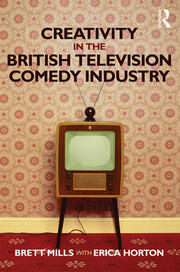
Creativity in the British Television Comedy Industry
Contents
Acknowledgements
Chapter 1: What is Creativity?
- Introduction
- Defining ‘Creativity’
- The Creative Person
- Creativity and Society
- Creativity and Policy
- Creativity as Work
- Creativity and Comedy
Chapter 2: The UK Television Comedy Industry
- Introduction
- The BBC
- ITV
- Channel 4
- Imported Comedy
- Sky
- Current Issues
Chapter 3: Creativity and New Writers
- Introduction
- A Desirable Industry?
- The Individual and the Industry
- Case Study 1: People Just Do Nothing
- Case Study 2: After Hours
- Case Study 3: The Script Editor
- Conclusion
Chapter 4: Creativity and Established Writers
- Introduction
- The Creative Career
- Gender and Age
- Having a Career
- Precarity and Planning
- Mentoring and Support
- Conclusion
Chapter 5: Creativity and Established Programmes
- Introduction
- Culture as an Industry
- Creative Teams
- Maintaining Individuality
- Being Recommissioned
- The Craft Industry
- Personnel
- Conclusion
Chapter 6: Creativity and Failure
- Introduction
- Working with Failure
- The Scale of Failure
- Managing Failure
- Failure and Industry Structures
- Personnel
- Conclusion
Chapter 7: So, What is Creativity?
- Introduction
- Creativity Must be Claimed
- Creativity is Work
- Creativity is Craft
- Creativity is Hierarchised
- Creativity is Pleasurable
Biography
Brett Mills is Senior Lecturer in Television Studies at the University of East Anglia and is an affiliated researcher at the Centre for Comedy Studies Research, Brunel University. He is the author of Television Sitcom (2005) and The Sitcom (2009).
Erica Horton is a PhD student at the University of East Anglia. Her research focuses on discursive constructions of creativity within the British television comedy industry with a particular focus on Channel 4.
