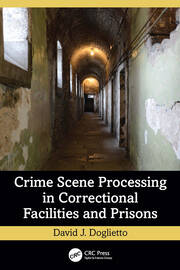
Crime scenes within correctional facilities present investigators with myriad challenges, not only in working, investigating, and collecting evidence but also in obtaining reliable eyewitness accounts. As a result, they are some of the most challenging cases and environments that any investigator will encounter.
Crime Scene Processing in Correctional Facilities and Prisons addresses the...
Read moreCrime scenes within correctional facilities present investigators with myriad challenges, not only in working, investigating, and collecting evidence but also in obtaining reliable eyewitness accounts. As a result, they are some of the most challenging cases and environments that any investigator will encounter.
Crime Scene Processing in Correctional Facilities and Prisons addresses the unique challenges in prison, correction, and detention facilities, outlining specific procedures and techniques that will reliably improve any investigation. Issues of contaminated crime scenes can result from guards trying to regain order, few to no dedicated staff with no training or understanding of crime scenes, a lack of cooperation from witnesses and victims, and even the lack of cooperation from the on-scene incident commander – whose main objective may be to return the facility to “normal” rather than allow for the proper collection of evidence. Whatever the challenges faced, this book tackles all of them. While the processing of crime scenes entails standard procedures and practices, a correctional setting can provide anything but. As a result, the investigator must be resourceful, tenacious – yet patient – and perform their duties with objectivity and ethical integrity throughout the process.
Features:
-
Serves as the only resource on the market to provide essential investigative and crime scene guidelines unique and specific to correctional facilities
-
Presents the various challenges of gathering and preserving evidence and investigating crimes, in correctional settings – including federal and state prisons, jails, and detention facilities
-
In addition to presenting best practices in handling evidence and investigative procedures, covers unique interview techniques, report writing, and expert testimony
Author David Doglietto, as an experienced professional with decades of first-hand experience, walks readers through the best way to perform duties to cut through the challenges and barriers and avoid the pitfalls that come with the oftentimes complex investigations in these environments. Extensive illustrations and case examples are provided within the book, as chapters present best-practice investigative practices in an environment for which there is little published resource and reference material. Crime Scene Processing in Correctional Facilities and Prisons is an invaluable resource for crime scene investigators, legal professionals, and the staff, leadership, and managers of correctional facilities themselves.
Read less