




1st Edition
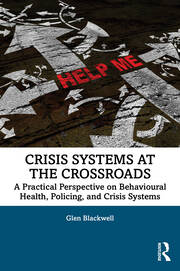
Crisis Systems at the Crossroads A Practical Perspective on Behavioural Health, Policing, and Crisis Systems
1. Introduction 2. Behavioural Health Crisis and Crisis Cycling 3. Community Crisis Response Systems 4. Police Crisis Response Systems 5. Non-Clinical Outcomes to Crisis 6. The Question of Behavioural Health Training for Police 7. Systemic Barriers to Crisis Management 8. Evolving from Crisis Response to Crisis Management 9. Conclusion
Biography
Glen Blackwell has over 35 years of operational policing experience with the Western Australia Police Force, including a decade focused on the intersection of policing and behavioural health crisis response. Recognised as a leader in this field, he has played a central role in the development, leadership, and training of specialised police and mental health co-responder teams aimed at improving outcomes for individuals in acute crises. He established the agency’s behavioural health training role, delivering accredited crisis training for police and mental health clinicians, and revised de-escalation training across the agency. He also held a six-month tenure within Western Australia Health, supervising the Mental Health Emergency Response Line, supporting implementation of recommendations from the Nexus Review. He holds a Master of Leadership (high distinction), with his academic work focusing on behavioural health crisis systems and the evolving role of police within this complexity. Being awarded a prestigious Winston Churchill Fellowship enabled him to embed with crisis response teams across North America and the UK – both police-led and civilian – participating in frontline patrols, proactive crisis cycling programs, and advanced crisis training. He is an active member of several international crisis response associations and has presented his work at global conferences. In 2024, he presented a behavioural health crisis policy brief to national leaders at Australia’s Parliament House, advocating for more integrated, evidence-based crisis systems. He continues to contribute to policy, training, and research aimed at collaborative systems-based approaches that look beyond acute response to behavioural health crisis management.
