




1st Edition
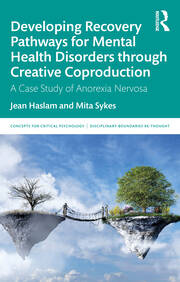
Developing Recovery Pathways for Mental Health Disorders through Creative Coproduction A Case Study of Anorexia Nervosa
Contents
Introduction. Creative Coproduction: A pro-active approach to the treatment of mental disorders using anorexia nervosa as an example
Chapter 1. Reversing the logic that thinness is more important than survival: Creativity and coproduction in treatment
Chapter 2. The creativity of science and its place in the co-productive treatment of mental disorders
Chapter 3. Realising and achieving Creative Coproduction in the treatment of mental disorders
Chapter 4. Reflections on personal experiences of anorexia nervosa, creativity and the recovery process
Chapter 5. The way forward. Practical steps, criteria and parameters for potential recovery from mental disorders through Creative Coproduction.
Biography
Jean Haslam has a Doctorate in Psychotic Creativity and a Masters in Education. She has been a user of mental health services for nearly sixty years and has expertise in Foucault, transformative coproduction, service user involvement and the Expert by Experience.
Mita Sykes is a mental health professional with longstanding personal experience of anorexia and bulimia nervosa and long-term involvement in the development of charities and educational programmes around eating disorders. She has worked with Child and Adolescent Mental Health Services (CAMHS) on a Creative Coproduction programme to bring about recovery from eating disorders for young people and was previously the manager of Bolton Patients Council with the remit to involve service users in the planning, development and future of mental health services.
