





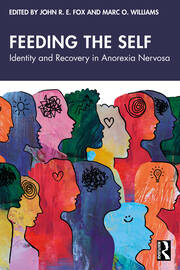
1st Edition
Feeding the Self Identity and Recovery in Anorexia Nervosa
Marc O. Williams & John R.E. Fox
2. Identity Development and the “Real Me”
Anna Oldershaw & Tony Lavender
Klaske A. Glashouwer & Peter J. de Jong
John R.E. Fox & Marc O. Williams
Sarah L. Field, Marc O. Williams, & Will Mandy
6. Longstanding Anorexia Nervosa
Janet Conti, Laura Kiely, & Phillipa Hay
7. Emotions in a Social Context
Niamh McNamara
Jaclyn A. Siegel, PhD
Kai Thomas
11. Global and Cultural Perspectives
Christopher Paul Szabo
12. Where the Secret Lies: A Deep Glimpse into the ‘Lived Eating Disorder Experience'
Lili Clark, PhD & SiennaMarísa Brown, MSc
13. Rediscovering the Self: Anorexia, Identity, and the Path Forward
Marc O. Williams & John R.E. Fox
Biography
John R.E. Fox is Professor of Clinical Psychology and Programme Director of the Sheffield DClinPsy programme. He is Co-Editor-in-Chief of Psychology and Psychotherapy: Theory, Research and Practice and has over 20 years’ clinical and academic experience in eating disorders.
Marc O. Williams, DClinPsy, PhD, is a Clinical Psychologist, Senior Lecturer, and Co-Editor-in-Chief of Psychology and Psychotherapy: Theory, Research and Practice. His expertise spans eating disorders and climate change related mental health.
'Eating disorders begin in adolescence during a critical transformational period of brain development. Approximately a third of patients have a protracted form of illness often with a complex formulation that involves many systems. This book fills an important gap as it has a focus on the psychological and interpersonal rather than the medical aspects . It offers a rich resource with a wide-ranging collection of expertise in the understanding of the process of the development of a confident adult identity. It includes a wide range of strategies to target the core symptom of loneliness and loss of self-security which is at the heart of this illness.'
Janet Treasure
'This is a very comprehensive text that provides an analysis of the role of self and identity processes in the development, maintenance, and recovery from anorexia nervosa. The edited volume incorporates diverse theoretical perspectives on identity and a large number of accomplished identity scholars have contributed. A must-read for researchers and practitioners in the field.'
Professor Tegan Cruwys
'This important book brings together a number of highly influential academics and clinicians working in the field of anorexia nervosa. In the first book of its kind, the volume covers the important issue of identity in anorexia, the way in which it may contribute to both the development and the maintenance of the disorder. In this groundbreaking book, Fox, Williams and their co-authors provide important insights into this most challenging eating disorder, where our understanding is still limited, and treatments are at best, only partially effective. Linking the concept of identity to emotions such as disgust and shame and to the concept of the anorexic voice, the authors offer profound and original insights into how anorexia develops and what makes it so hard to recover. Strengths of the book include the consideration of neurodiversity and gender identity, both important aspect of the condition. Underpinned by theory and research evidence, and supported by insights from experts by experience, the book offers crucial ideas are already leading to improvements in psychological treatments for anorexia nervosa, offering hope to sufferers and their families. It will offer new insights to seasoned eating disorder experts as well as those new to the area.'
Professor Lucy Serpell
'We cannot fully understand anorexia nervosa without understanding the role of identity. This book explains why, and what can be done about it. By examining identity through multiple lenses, this volume offers a comprehensive overview of anorexia that integrates theory, research, clinical practice, and lived experiences. Filled with invaluable insights, it is an essential resource for clinicians and researchers alike.'
Dr Matthew Pugh
