




1st Edition
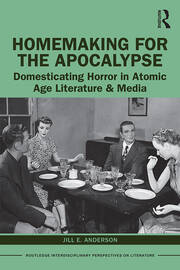
Homemaking for the Apocalypse Domesticating Horror in Atomic Age Literature & Media
Introduction: Homemaking for the Apocalypse: Compulsory Normativity, Banality, and Horror
Chapter 1: Die, Dig, or Get Out; Or, Stop Worrying and Love the Bomb
Chapter 2: "You can Protect Your Family": Common Prudence, Survival Insurance, and Fallout Shelters
Chapter 3: The Madonna of the Suburbs: The Ludicrous Horrors of Everyday Life
Chapter 4: "…we are already but one step removed from pod people": Compulsory Ableism and the Revenge of the Lawn in Postwar Suburbia
Chapter 5: Population Bombs & Baby Boom: Overpopulation as Apocalypse
Conclusion: Apocalypse Now-ish: (Still) Domesticating Horror
Biography
Jill E. Anderson is an Associate Professor of English and Women's Studies at Tennessee State University in Nashville, TN.
In Domesticating Horror in the Atomic Age, Jill Anderson makes a compelling argument for how the anxieties underlying the popular myth of Cold War, June Cleaver-like domestic tranquillity troubled the media of the time. By exploring the constraints of conformity and the fears of atomic apocalypse, Anderson traces American horrors not from without, but from within domestic spaces, including family, home spaces like kitchens and lawns, and the suburbs.
Melanie R. Anderson, Glenville State College
