




1st Edition
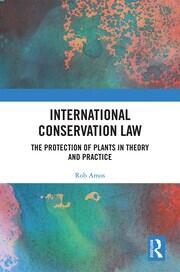
International Conservation Law The Protection of Plants in Theory and Practice
TABLE OF CONTENTS
Foreword
Preface and Acknowledgements
Table of International Agreements
PART 1: PRELIMINARY ISSUES
Introduction: The Legal and Ecological Context of Plant Conservation
Why a Book About Plants?
A Brief Introduction to Plant Ecology
Core Themes and Structure
Chapter I: The Value of Plants
Nature in International Environmental Law
Why Is Understanding Value Important?
Interpretations of Value
Anthropocentricity in International Environmental Law
Conclusions
PART 2: THE INTERNATIONAL LEGAL FRAMEWORK FOR THE PROTECTION OF PLANTS
Chapter II: Global Approaches to the Protection of Plants
Tensions in International Conservation Law
The 1992 Convention on Biological Diversity
Forest Biodiversity
Conclusions
Chapter III: Regional Approaches to the Protection of Plants
Regional Conservation Instruments and ‘Effectiveness’
The Geographic Scope of Regional Conservation Agreements
The Construction of Regional Conservation Agreements
The Relationship between Regional Conservation Agreements and Conservation Practice – Designating Protected Areas
The Relationship between Regional Conservation Agreements and Conservation Practice – Listing Species
Conclusions
Appendix 1: Ratification Status of the Regional Conservation Agreements
Appendix 2: Methodological Notes for the Empirical Study on the Conservation and Population Status of European Flora
Chapter IV: Polar Plants
Plants at the Poles
Plants in the Antarctic Treaty System
The Conservation of Arctic Flora
Conclusions
Chapter V: The Protection of Marine and Freshwater Plants
Plants in Aquatic Ecosystems
Global Approaches to Marine Conservation
Regional Approaches to Marine Conservation
The Conservation of Flora in Wetlands
Freshwater Flora
Conclusions
PART 3: LEGAL RESPONSES TO THE DRIVERS OF PLANT DIVERSITY LOSS
Chapter VI: Climate Change
Plants and Climate Change
Conservation and Climate Change
The Conservation of Mountain Plants
The REDD+ Programme
The Clean Development Mechanism
Conclusions
Chapter VII: International Trade
Plants in International Trade
The Environment and Trade
Protecting Plants through the Environmental Exceptions in the GATT
The 1973 Convention on International Trade in Endangered Species
Conclusions
Chapter VIII: Invasive/Alien Species, Disease and Ecosystem Restoration
The Threat of Invasive/Alien Species and Disease
International Regulation of Invasive/Alien Species
Controlling the Spread of Disease
Rewilding and Ecosystem Restoration
Conclusions
PART 4: WAYS FORWARD FOR THE PROTECTION OF PLANTS
Chapter IX: Conservation Practice and International Law
Resilience Thinking in Conservation
Non-State Actors in Conservation
Key Components of Successful Conservation
Making International Law Work for Conservation – The Nagoya Protocol on Access and Benefit-Sharing
Conclusions
Chapter X: Ecological and Ecocentric Models for Reform
The False Promise of Neoliberalism and Sustainable Development
Defining Ecological Sustainability
Templates for an Ecocentric Society
Recognising the Legal Rights of Plants in International Law
Conclusions
Conclusion: Humanity’s Failure to Protect Plants
Bibliography
Biography
Rob Amos is the Academic Lead on the environmental strand of UCL’s Global Citizenship Programme.
