




1st Edition
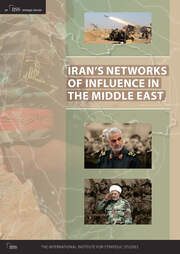
Iran’s Networks of Influence in the Middle East
Introduction
1. Tehran’s Strategic Intent
2. Lebanese Hizbullah
3. Syria
4. Iraq
5. Yemen
6. Bahrain, Saudi Arabia and Kuwait
Conclusion
Appendices:
Key Individuals
Iran Backed Militias
Order Organising the Syrian Local Defence Forces
Biography
The International Institute for Strategic Studies is an independent centre for research, information and debate on the problems of conflict, however caused, that have, or potentially have, an important military content. The Staff of the Institute is international in composition and IISS work is international in its perspective and reach. The Institute is independent and it alone decides what activities to conduct. It owes no allegiance to any government, any group of governments or any political or other organisation. The IISS stresses rigorous fact-based research with a forward looking policy orientation that can improve wider public understanding of international security problems and influence the development of sounder public policy, and more effective business decisions in the international arena.
