




490 Pages
by
Routledge
256 Pages
by
Routledge
Also available as eBook on:
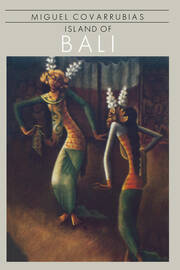
First published in 1937, Island of Bali is still regarded by many as the most authoritative text on Bali and its fascinating people. Included is a wealth of information on the daily life, art, customs and religion of this magical "Island of the Gods." In the author's own words it presents a "bird's-eye view of Balinese life and culture."
Miguel Covarrubias, the author, was a noted painter and... Read more
Part 1: the island; the people - the ancient survival - the Bali Aga, the history of Bali, the Dutch, the Lombok War, conquest of South Bali; the community - the village, the market, the social order, etiquette, language, castes, the organization of the village, the Bandjar, law and justice, the courts; rice, work and wealth - the Subak, rice culture, distribution of labour, the economic order; everyday life in Bali - the house, Balinese cooking, costume and adornment; the family - childbirth, the life of children, adolescence, the love life of the Balinese, marriage; art and the artist - the place of the artist in Balinese life, development of Balinese art, old Hindu Balinese art, the period of Madjapahit, the plastic arts of modern Bali - sculpture, architecture, painting, crafts; the drama - music, village orchestras, Balinese music and instruments, the dance, the Legong, the Baris, the Kebiyar, the shadow play, the classic drama, kings and warriors, the Topeng, the Ardja. Part 2: rites and festivals - society and religion, temples and feasts, gods, demons, offerings and exorcisms, the calendar, the high priests and Brahmanic ritual; witchcraft - witches, witchdoctors and the magic theatre, the Rangda and the Barong, black and white magic, how to become a Leyak, the witchdoctors, magic and medicine; death and cremation - the body, the soul, cremation, the sacrifice of widows, the aftermath. Part 3: modern Bali and the future.
Biography
Miguel Miguel Covarrubias (1904-1957) was born in Mexico City and was an author, painter, caricaturist, and professor of art history at the National School of Anthropology in Mexico City.Covarrubias
