




1st Edition
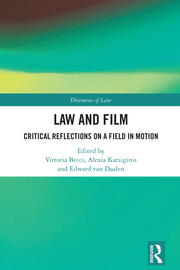
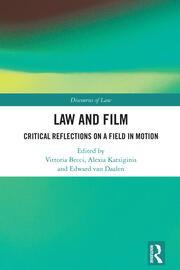
Law and Film Critical Reflections on a Field in Motion
1. Eating Popcorn Like a Lawyer: On Fictions, the Senses, and Belonging
Alexia Katsiginis, Vittoria Becci, Edward van Daalen
2. Writing about Evil
Alberto Rinaldi
3. Reading a Law Film in Cinematic Context as a Commentary on the Decline of Liberal Democracy and the Rule of Law: Emin Alper’s Burning Days (2022) read against John Ford’s The Man Who Shot Liberty Valance (1962)
Orit Kamir
4. Violence as Law: Reading Dirty Harry, Unforgiven & Gran Torino as Comments on Vigilantism
Günter Frankenberg
5. The Impossible Truth in Law and Films: The Female Gaze of Saint Omer and Anatomy of a Fall
Séverine Dusollier
6. Teaching Law and Feminism through Cinema: A Proposal
Helena Alviar García
7. Holy Motors: Law and Technology
Nathan Moore
8. Kafka in the Balkans: “Before the Law,” Nihilism and Crisis in Cristi Puiu’s Aurora
Camil Ungureanu
9. Revitalizing the Law: An Existentialist Take on Law and Film
Louis Hill
10. Lost Horizons, or how to Lose more Slowly?
Geoffrey Samuel
11. The Legal Spectacle
Elie Aslanoff
Biography
Vittoria Becci is a doctorate candidate at the Sciences Po Law School in Paris, France.
Alexia Katsiginis is a doctoral candidate at the Sciences Po Law School in Paris, France.
Edward van Daalen is a socio-legal researcher and postdoctoral fellow at the Labour Law and Development Research Laboratory (LLDRL) at McGill University, Canada.
"The joys of reading this volume can only be matched by the personal enthusiasm of its editors: straight out of an extraordinarily imaginative series of film-projection-and-discussion events at Sciences Po ‘Eating Popcorn like a Lawyer’ (in which I have had the privilege of being invited), this book continues with the same personal freshness, ludic inventiveness, and rigorous analysis of the intersection between juridical thought and moving image. The result is nothing less than astonishing: a panorama of spectacular reconfigurations of both what law and what cinema is through a fine balance of personal autoethnographic details, film theory, philosophy, aesthetics, and critical legal and critical sociolegal theory. This is an astutely curated collection, with early career as well as established interdisciplinary thinkers, that pushes the limits of law, image, senses, perceptions and affects. What unites all chapters is a strong sense of responsibility to open up the law to the revitalising power of films. An extremely fresh and valuable addition to the law and film literature" Professor Andreas Philippopoulos-Mihalopoulos, Legal Theorist / Artist / Fiction Author, University of Westminster, London, UK
