




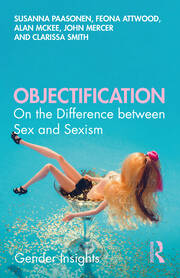

1st Edition
Objectification On the Difference between Sex and Sexism
Chapter One: What counts as objectification?
Chapter Two: Male gaze and the politics of representation
Chapter Three: Radical feminism and the objectification of women
Chapter 4: Sex objects and sexual subjects
Chapter Five: Measuring objectification
Chapter Six: What to do with sexualized culture?
Chapter Seven: Beyond the binary
Chapter Eight: Disturbingly lively objects
Biography
Susanna Paasonen, Feona Attwood, Alan McKee, John Mercer, Clarissa Smith
"Authored by a team of internationally respected scholars, whose research has shaped many of the current debates in gender and sexuality studies, Objectification is one of the first sustained studies to consider the subtle differences between sexualised representation and objectification arguing that, although these concepts may overlap, they are not the same thing. Addressing topics ranging from selfie culture to contemporary trans rights, Objectification makes a timely intervention into media and cultural studies. Written in an accessible style, which is free from academic jargon, this book will be important reading for both academic researchers and students who are new to the subject area."
Niall Richardson, Convenor of MA Gender and Media, University of Sussex, UK
"The value of the book lies in its clarification of objectification and its challenge of the long-existing binary view on object and subject. It leaves gender and media students, researchers, and feminists with much to contemplate."
Di Wang, International Journal of Communication
