




1st Edition
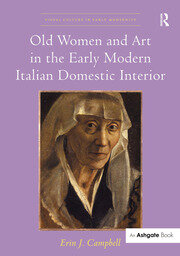
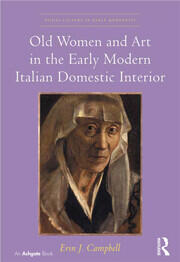
Old Women and Art in the Early Modern Italian Domestic Interior
Introduction: Old women, portraiture, and the early modern domestic interior
1 Portraits of old women and the domestic meshwork
2 Prophets and saints
3 Matriarchs
4 Old women in frames
5 Old age, women, and the signs of suffering
Biography
Erin J. Campbell is Associate Professor of the History of Art at the University of Victoria, Canada. She is also the editor of Growing Old in Early Modern Europe (2006), and is a co-editor of The Early Modern Italian Domestic Interior, 1400-1700 (2013).
'This is a work of careful reconstruction, deep archival documentation, and sensitivity to the lived experience and material context of portraiture. Campbell proves that old women of the later Renaissance were far from invisible: especially in Bologna, they were pictured, commemorated, and their likenesses revered as symbols of family identity and tools of memory. Her work shows that portrayals of elderly women were not limited to witches, crones, or hags. Rather, old women's roles of piety, authority, and virtue found expression in their portraits. These same vivid, striking portraits adorned family homes, shaping and re-shaping behavioral codes and family memory. This provocative, well-illustrated work will alter our understanding of the history of Renaissance portraiture, the Italian domestic interior, and patriarchy itself among the patrician class.' - Renée Baernstein, Miami University, Ohio, USA
'Although portraits of old women were commissioned by families to be viewed in domestic interiors, Campbell convincingly argues that their influence extended well beyond the confines of the palace to the larger civic community. ... Noting the “hollow, sunken cheeks and thin lips” and bodies in many Bolognese portraits of old women, Campbell convincingly ties the suffering of old age to the reforms of Paleotti and the virtue of their families and their city.' - CAA Reviews
