





1st Edition
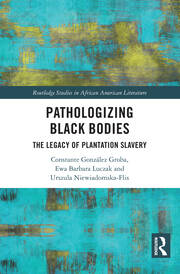
Pathologizing Black Bodies The Legacy of Plantation Slavery
Introduction: Corporeal Afterlives of Plantation Slavery
Part I: "Pathologizing ‘Blood’"
1. "There’s pow’r in the blood": Blood Transfusions and Racial Serology in Wallace Thurman’s "Grist in the Mill"
Ewa Barbara Luczak
2. Eugenic Sterilization in Toni Morrison’s Home: Perpetrators and the Ethics of Engaged Witnessing
Ewa Barbara Luczak
Part II: Pathologizing the Body
3. From the Prison of Slavery to the Slavery of Prison: Incarcerated Black Bodies in Jesmyn Ward’s Sing, Unburied, Sing and Colson Whitehead’s The Nickel Boys
Constante González Groba
4. Pathologizing Race, Pathologizing Metastatic Racism: From Lillian Smith to Ibram Kendi
Constante González Groba
Part III: De-Pathologizing Access to Food and Land
5. "Healthy Is the New Gangsta": Food Apartheid and Black Culinary Culture in Southern Hip-Hop
Urszula Niewiadomska-Flis
6. Black Land Matters: Geographies of Race and Politics of Land in Natalie Baszile’s Queen Sugar
Urszula Niewiadomska-Flis
Biography
Constante González Groba is Full Professor of American literature at the University of Santiago (Spain).
Ewa Barbara Luczak is Professor at the Institute of English Studies, University of Warsaw and President of the Polish Association for American Studies.
Urszula Niewiadomska-Flis is Associate Professor of literary studies at the John Paul II Catholic University of Lublin (KUL), Poland. She earned her PhD in American studies in 2006 from KUL.
