




1st Edition
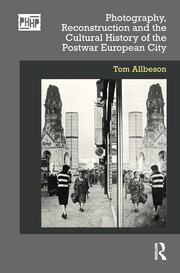
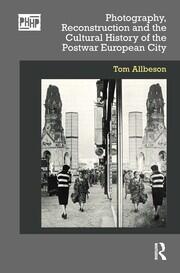
Photography, Reconstruction and the Cultural History of the Postwar European City
1. Introduction: Contexts and Concepts
2. ‘Architecture of Destruction’: Visual discourses of ruin photobooks, c.1944–50
3. ‘To Re-educate the Eye’: Architectural photography and the housing crisis, c.1947–57
4. ‘The Face of the City’: Photographic Pleasures and the Illustrated press, c.1949–55
5. ‘The World of Tomorrow’: Photography and Internationalist Visions, c. 1955–62
6. Conclusion: The Transnational Optics of Postwar Reconstruction
Biography
Tom Allbeson is a Lecturer in Cultural History in the School of Journalism, Media and Culture at Cardiff University, UK.
"Throughout this incredibly rich and detailed book, Allbeson asserts that photographs deserve the same rigorous treatment as any other empirical source. The author has delivered an intellectual tour de force that takes us to the war-torn landscapes of cities and towns in Britain, France and Germany."
--German History
"This diligently researched and engagingly written book will be a valuable resource and model for urban historians, historians of visual culture and all those interested in the fascinating inter-relation between history, urban transformations and the role that photography played in complicating that history."
--Urban History
"...a strong archival and empirical study that effectively emphasises the transnational similarities and relationships of representation that existed between post-war France, Britain and Germany. ...This is in many ways a rich and significant work that will prompt discussions in post-war European history— which includes Britain—on the importance of visual modalities of reconstruction mentalities."
--Contemporary British History
