




1st Edition
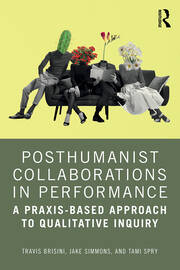
Posthumanist Collaborations in Performance A Praxis-based Approach to Qualitative Inquiry
Introduction: Setting the Naturecultural Stage Part 1: Groundwork 1. Loneliness and Hope in a More-than-human World 2. Naturecultural Performance; Part 2: Bodywork 3. The Natureculture Body; Part 3: Fieldwork 4. Approaching Horn Island 5. Plant(ing) Kinship 6. Canid Landscapes 7. Eating the Thrasher 8. Like Water Over Rocks 9. Sculpting the High Plains; Conclusion: Habitus, Performativity, and Naturecultural Performance in the Eremocene
Biography
Travis Brisini is Assistant Professor of Communication Studies (Performance Studies) at Louisiana State University, USA. His research and creative works explore the intersections between performance studies, new materialist and posthumanist philosophy, and techniques of staging and adaptation.
Jake Simmons is Associate Dean of the Judith Enyeart Reynolds College of Arts, Social Sciences, and Humanities and Professor of Communication at Missouri State University, USA. His research focuses on new materialist approaches to qualitative inquiry, performance studies, naturecultural performance, and posthumanist staging practices.
Tami Spry is Professor Emeritus of Performance Studies and Communication Studies at St. Cloud State University in Minnesota, USA. Her work includes Body, Paper, Stage: Writing and Performing Autoethnography and Autoethnography and the Other: Unsettling Power Through Utopian Performatives, with current research focused on cultivating kinships with the more-than-human world.
