




1st Edition
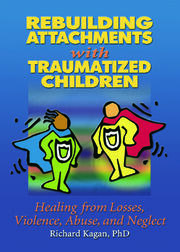
Rebuilding Attachments with Traumatized Children Healing from Losses, Violence, Abuse, and Neglect
By Richard Kagan
Copyright 2004
390 Pages
by
Routledge
390 Pages
by
Routledge
390 Pages
by
Routledge
Also available as eBook on:
Learn to build the trust you need to help children in crisis! Rebuilding Attachments with Traumatized Children: Healing from Losses, Violence, Abuse, and Neglect is a therapeutic guide to helping troubled children move beyond the traumatic experiences that haunt them. Author Dr. Richard Kagan, Director of Psychological Services for Parsons Child and Family Center in Albany, New York, presents... Read more
- Preface
- Acknowledgments
- PART I: LIFELINES
- Chapter 1. Attachment
- Trauma Damage to Neurodevelopment
- Attachment Theory and Research
- Attachment and Behavior Patterns
- Attachment and Behavior Problems
- Facilitating Attachment
- Promoting Resilience
- Conclusion
- Chapter 2. Angel or Demon?
- Two Boys
- The Impact of Neglect and Violence
- Trauma and Neurological Functioning: Theory and Research
- Conclusion
- Chapter 3. The Curse of Neglect
- Introduction
- How Neglect Disrupts Attachment
- Neglect and the Social Service System
- Statistics and Research on Abuse and Neglect
- Conclusion
- Part II: Rebuilding Attachments
- Chapter 4. Breaking the Curse
- Introduction
- Myths That Perpetuate Abuse and Neglect
- Obstacles to Rebuilding Attachments
- Methods of Rebuilding Attachments
- Conclusion
- Chapter 5. Restoring Hope and Safety
- Introduction
- Investigating Child Abuse and Neglect
- Developing Service Plans for Traumatized Children in Placement
- Chapter 6. Reparenting the Hurt Child
- Introduction
- Tools for Parenting Traumatized Children
- Steps and Tools for Rebuilding Attachment
- Conclusion
- Chapter 7. Permanency
- Introduction
- Activities That Foster Attachment
- Rights and Responsibilities Within Families
- Skill-Building Activities
- Signs of Attachment
- Conclusion
- Part III: The Making of a Hero
- Chapter 8. Telling the Story
- Introduction
- Trauma Therapy
- Life Stories: From Shame to Strength
- Detoxifying Traumas
- Chapter 9. Real Life Heroes
- Life-Story Work
- The Real Life Heroes Workbook
- Redefining Heroes for Children
- Finding Heroes
- Supporting Heroes
- Protecting Heroes
- The Hero’s Challenge
- Chapter 10. The Magic of Parents
- Understanding and Treating Trauma and Attachment Disorders
- Rising Above Trauma
- The Parent’s Life Story
- Chapter 11. A Hero’s Story: Using the Real Life Heroes Workbook
- Introduction
- Beginning the Journey
- Contents of Workbook
- Objectives of Workbook
- Adapting the Workbook for Adolescents and Young Children
- Facilitating Storytelling
- Self-Soothing Skills
- Attachment and Trauma Therapy
- Adoption
- Completion of the Workbook
- Chapter 12. Impasse and Beyond
- Introduction
- Getting Past the Impossible
- Calling a Crisis
- Therapeutic Tools for Breaking Impasse
- Obstacles to Breaking Impasse
- Beyond Impasse
- Chapter 13. Into the Future
- The Quest
- The Therapist’s Role
- Crossing the Threshold
- Reconnecting
- Working with Time
- Advocacy for Parents
- The Making of a Hero
- Appendix A: Important People
- Appendix B: Attachment Ecogram
- Appendix C: Outline of Assessments and Interventions
- Appendix D: Real Life Heroes; A Progressive, Developmental Curriculum
- Overview
- Introduction of the Real Life Heroes Model
- Caring Adult Resource Development
- Chapter by Chapter, Developing Strengths
- Completion of Life Story Work
- Appendix E: Chapter by Chapter, Stronger and Stronger
- Appendix F: Utilizing Impasse
- Appendix G: Game Therapy Illustration
- Notes
- References
- Index
Biography
Richard Kagan
