




1st Edition
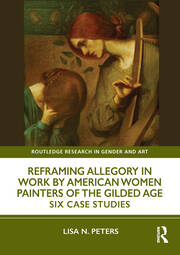
Reframing Allegory in Work by American Women Painters of the Gilded Age Six Case Studies
1. Lilly Martin Spencer: The “Sublime, Noble, Heroick, Touching, and Beautiful” in Truth Unveiling Falsehood (ca. 1869) 2. Ella Ferris Pell: Moral Reckoning and History’s Distortions of Women in Salome (1890) 3. Mary Lizzie Macomber: Symbolism and Allegorical Ontology in Memory Comforting Sorrow (1901–5) 4. Edith Mitchill Prellwitz: “Maledictions on My Women’s Fate” in Hagar (1894), Legend (1895), Le Rouet d’Omphale (ca. 1902), and Elegy (1908) 5. Louise Howland King Cox: Challenging Gendered Representation in The Lotos Eaters (1887), A Swan Song (1891), A Rondel (1892), and The Fates (1894) 6. Ella Condie Lamb: Reclaiming Female Spiritual and Reproductive Authority in Advent Angel (1889) and Allegories of Female Resilience
Biography
Lisa N. Peters is an independent scholar specializing in American art. She received her PhD in art history from the Graduate Center of the City University of New York. Peters has written and lectured on numerous American art topics from the colonial era to the present.
