




302 Pages
by
Routledge
302 Pages
by
Routledge
302 Pages
by
Routledge
Also available as eBook on:
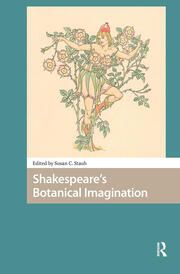
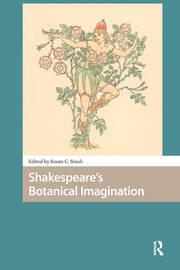
Writing on the cusp of modern botany and during the heyday of English herbals and garden manuals, Shakespeare references at least 180 plants in his works and makes countless allusions to horticultural and botanical practices. Shakespeare’s Botanical Imagination moves plants to the foreground of analysis and brings together some of the rich and innovative ways that scholars are expanding the... Read more
List of Figures, Acknowledgments, Introduction (Susan C. Staub), Part 1: Plant Power and Agency, 1.Vegetable Virtues (Rebecca Bushnell), 2.The 'idle weeds that grow in the sustaining corn': Generating Plants in King Lear (Susan C. Staub), 3.Botanical Barbary: Punning, Race, and Plant Life in Othello 4.3 (Hillary M. Nunn), Part 2: Human-Vegetable Affinities and Transformations, 1.Shakespeare's Botanical Grace (Rebecca Totaro), 2.'Circummured' Plants and Women in Measure for Measure Claire Duncan), 3.Cymbeline's Plant People (Jeffrey Theis), 4.'Thou art translated': Plants of Passage in A Midsummer Night's Dream (Lisa Hopkins), Part 3: Plants and Temporalities, 1.Clockwork Plants and Shakespeare's Overlapping Notions of Time (Miranda Wilson), 2.The Verdant Imagination in Shakespeare's Sonnets (Elizabeth D. Gruber), 3.The Botanical Revisions of 3 Henry (Jason Hogue), 4.Botanomorphism and Temporality: Imagining Humans as Plants in Two Shakespeare Plays (Elizabeth Crachiolo), Afterword (Vin Nardizzi), Index.
Biography
Susan C. Staub is Professor of English at Appalachian State University. Her publications include Nature’s Cruel Stepdames: Representations of Women and Crime in the Street Literature of Early Modern England and The Literary Mother, as well as numerous essays on Early Modern prose, Shakespeare, and Spenser. Her current book project focuses on Shakespeare and botany.
