




1st Edition
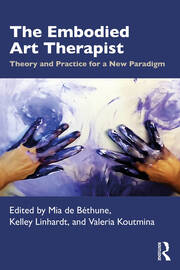
The Embodied Art Therapist Theory and Practice for a New Paradigm
Introduction Part 1: Theoretical foundations for embodiment in art therapy 1. The intersection of art therapy, embodiment, and body-based therapies 2. Trauma, attachment, and the body: Implications for art therapy 3. Neuroscience in the service of art therapy: Transcending classic approaches and advancing our understanding through principles of embodiment 4. Haptic perception in art therapy Part 2: Clinical applications of embodied art therapy 5. Traditional body-based methods in art therapy: Guided imagery, body mapping, and body tracing 6. Embodied methods in art therapy 7. Sensorimotor therapy and sensory modulation applications within art therapy 8. Embodiment, energy therapy, and the transpersonal 9. Embodied methods in online art therapy Part 3: Diverse bodies, diverse needs: Applications in different clinical settings 10. Social dichotomies, the body, and the transgressive power of creativity in an acute psychiatric setting 11. Eating disorders: Working with the body and its image in art therapy 12. Gender affirming ethos in embodied art therapy 13. Intergenerational trauma and the embodied creative wisdom of Black, Brown, and Indigenous peoples 14. Disability Art: Lessons for embodied, anti-oppressive art therapy 15. Grace in the broken parts: Embodied art therapy methods for working with chronic pain and medical trauma 16. Embodying grief, celebrating death: An art therapy approach Part 4: Embodied materials, methods, and settings 17. At home in one's body: Embodied art therapy spaces 18. The spirit of matter: An embodied approach to art materials 19. Environmental arts therapy: The body in nature 20. Integrative clinical practices: Art therapy, biofeedback, and Eye Movement Desensitization Reprocessing 21. Integrating art therapy and yoga for an intentional, embodied practice Part 5: Training embodied art therapists 22. Teaching embodied methods to art therapy students 23. Cultivating resonance: The embodied supervision relationship in art therapy
Biography
Mia de Béthune is a somatic art therapist and an adjunct professor at New York University.
Kelley Linhardt is an art therapist and an adjunct professor at the School of Visual Arts.
Valeria Koutmina is an art therapist, Accelerated Resolution Therapy, and Mindfulness-Based Stress Reduction practitioner in private practice.
“The editors of this fascinating volume have provided the profession of art therapy with a long-overdue introduction to and overview of embodied approaches. The many contributors—each with a unique viewpoint—offer creative ways of working that honor the body while remaining true to art therapy."
Judith A. Rubin, PhD, ATR-BC, HLM, Past President, American Art Therapy Association; Former Faculty Member, Department of Psychiatry, University of Pittsburgh
“Finally, an essential resource that focuses on the importance of embodied awareness in art therapy, including the significance of a neurobiologically-informed approach in various clinical and community settings. A must read for anyone in the field of creative arts therapies and those interested in integrating somatic awareness into their therapeutic practice.”
Mitchell Kossak, PhD, LMHC, REAT, Faculty Member, Lesley University
“If feeding someone is one of the first acts of care, then The Embodied Art Therapist peppers an in-body experience through theory, clinical practice, diverse needs, settings, and methodology. Proprioception is churned into practice, and the reader exits satiated and content. This is a must-have staple for all mental health therapists.”
Dr. Ellen G. Horovitz, ATR-BC, LCAT, 500 E-RYT, C-IAYT, Professor Emerita, Nazareth University
