





1st Edition
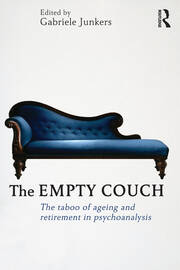
The Empty Couch The taboo of ageing and retirement in psychoanalysis
Civitarese and Ferro, Foreword. Junkers, Preface. Ferro and Civatrese, Prologue. Part I: Growing Older as Psychoanalysts. Junkers, The Ageing Psychoanalyst: Thoughts on Preparing For a Life After the Couch. Quinodoz, Does and Elderly Psychoanalyst Have a Role to Fill? Junkers, Perhaps Later…Transience and Its Meaning For the Analysts. Fredrik Thaulow, Growing Older as an Analyst: Problems of Ethics and Practice Based on Personal Experience. Denis, Psychoanalyst: A Profession for an Immortal? Teising, Narcissistic Challenges for Aging Analysts. References. Part II: Illness and Ending. Junkers, When the Body Speaks and the Psychoanalyst Falls Ill. Fajardo, Life-Threatening Illness in the Analyst. Traesdal, Analysis Lost and Regained. Carlyle, Life-Long Analysis? References. Part III: Institutional Parts of Ending. Junkers, Containing Psychoanalysis: The Analytic Institution. Klockars, Ageing in European Psychoanalytic Societies - Psychoanalytic Practice: Terminable or Interminable. Marino, What Candidates Say About Psychoanalytical Perspectives on Ageing. Laks Eizirik, Giving up and Important Role in Psychoanalytic Organisations. Kavka, Psychoanalyst Assistance Committees: Philosophy and Practicalities. Kay O’Neill, Now is the Time for Action – The Professional Will: An Ethical Responsibility of the Analyst and the Profession. Teresa Hooke, The Ageing Candidate: Will the Empty Couch Become an Empty Institute? References. Junkers, Epilogue.
Biography
Gabriele Junkers, PhD, is a trained psychologist, psychoanalyst, training analyst and member of the German Psychoanalytic Association (DPV). She is a gerontologist with more than 30 years experience in training older adults and providing institutional counselling for mature people.
"Junkers has pursued her longstanding interest in the tricky subject of psychoanalysts’ ageing and retirement and is a must for the contemporary, maturing psychotherapist. She doesn’t shirk from addressing the real problems of an increasingly ageing profession with its vulnerability to both physical and mental ill health and to the painful process of loss and grief set against a backdrop of transience within a sense of time and space"
-Rhoda Dorndorf , BAPPS Supervision Review
