




1st Edition
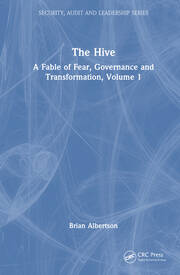
The Hive A Fable of Fear, Governance and Transformation, Volume 1
Chapter 1 - The Discontented Hive, Chapter 2 - The Mysterious Mentor, Chapter 3 - Cracks in the Comb, Chapter 4 - The Council’s Mirror, Chapter 5 - Rooms With Locks, Chapter 6 - The Ledger and the Clock, Chapter 7 - Storm Signals, Chapter 8 - Hives Watching, Chapter 9 - Ladders Across, Chapter 10 - Engines of Boredom, Chapter 11 - The Illusion of Stability.
Biography
Brian Albertson is a technology and governance leader, mentor, and storyteller with more than 25 years of experience across IT, cybersecurity, governance, risk, compliance, operations, and transformation. Throughout his career, he has focused on helping people solve hard problems, simplify complexity, and build practical ways of working that last.
He currently serves in an architecture and governance role within a Fortune 50 company, where his work centers on improving how organizations manage controls, risk, accountability, and change. Brian is known for taking complex topics and explaining them in ways people can understand and use.
Outside of work, Brian has a long history of serving in the community. A recent example is leading the ISACA Atlanta Chapter through its transformation. He has worked to support members, students, volunteers, and companies across the Atlanta area, Southeast, US, and more. He cares deeply about mentorship, opening doors for others, and helping the next generation grow in both skill and confidence.
Brian believes many problems in business and technology are not caused by a lack of talent, but by unclear ownership, poor communication, weak follow-through, and systems that drift over time. He also believes good leadership is often simple: listen well, serve others, tell the truth, and keep improving.
At the core of his work is a simple goal: serve people, develop people, and deliver results.
