



1st Edition
The Invisible Shining The Cult of Mátyás Rákosi in Stalinist Hungary, 19451956
By Balazs Apor
Copyright 2018
416 Pages
by
Central European University Press
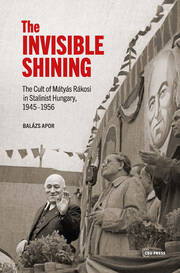
This book offers a detailed analysis of the construction, reception, and eventual decline of the cult of the Hungarian Communist Party Secretary, Mátyás Rákosi, one of the most striking examples of orchestrated adulation in the Soviet bloc. While his cult never approached the magnitude of that of Stalin, Rákosi’s ambition to outshine the other “best disciples” and become the best of the best was... Read more
Abbreviations, Acknowledgments,Introduction, The Stalinist Leader Cult: Origins, Interpretations and Functions The Stalinist Leader Cult in Postwar Eastern Europe The Stalinist Leader Cult in Hungary A Note on TerminologyPART I. The Construction Of The Cult 1 The Chronology of Cult Construction (1925-1953 Rákosi and the Hungarian Communists: The Road to Power Cultic Traditions and Modern Personality Cults in Hungary The Hero of the Comintern: The Origins of the Rákosi Cult The Cult in the Party (1945-1947) The Legitimization Offensive (1948-1949 The Full-Blown Cult (1949-19532 The Institutions and Agents of Cult Construction Institutions of Cult-Building The Agents of the Cult Rákosi and the Rákosi Cult3 The Biography is a Very Serious Issue: The Role of Biographies in Constructing the Rákosi Cult Biographies and Stalinist Political Culture The Biographies of Rákosi The Official Biography The Biographical Narrative Behind the Constructed Façade4 He Was Created by a Thousand Years: Nationalism and the Leader Cult Nationalism and Communism Stalin, the Mini-Stalins, and National Traditions Rákosi, the Ultimate Freedom Fighter5 Comrade Rákosi Lives with Us: The Visual and the Spatial Aspects of the Rákosi Cult Rákosi, the Sacred Center Visualizing the Leader The Spatial Allocation of Rákosi's Images Signposts of Progress: RenamingsPART II. Responses To The Cult's Expansion 6 Love for Comrade Rákosi Has Become Deeper: The Communicative Influence of the Cult Popular Opinion and the Stalinist Source Lens The Popularity of the Leader The Elections of 1949 The Rákosi Constitution For Rákosi, thanks; for Rajk, the gallows Even the Air Changes: Narratives of Rákosi's Words Comrade Rákosi, Listen to My Problems as If You Were My Father: Letters to the Leader7 Death to Uncle Rákosi! Negative Perceptions of the Cult Critiques and Iconoclasts Jokes and Political Rumors 8 Ignorance is Bliss: Popular Indifference and the Shortcomings of Communist Propaganda The Cult's Audience The Cult's Agents The Rákosi Cult: Circulation and ResponsesPART III. The Dismantling of the Cult 9 The New Course and the Decay of the Rákosi Cult, 1953-1956 The Death of Stalin and the Rákosi Cult Cult Criticism in 1953-195610 The Collapse of the Rákosi Cult The Twentieth Congress and the Secret Speech We Were Surprised by the Twentieth Congress: The Effects of the Secret Speech on the Rákosi Cult It Hurts to See Comrade Rákosi Leave Like This: Rákosi's Abdication and the Uprising of 1956 We Should Not Let Even the Illusion of the Personality Cult Appear: Denouncing the Cult in the Kádár Era From Politics to History The Withering Away of the Rákosi Cult, Conclusion, Bibliograph, Index.
Biography
Balázs Apor is lecturer in European Studies at the Trinity College Dublin.
