





1st Edition
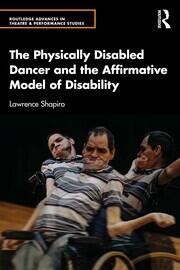
The Physically Disabled Dancer and the Affirmative Model of Disability
Foreword Professor Sarah Whatley
Preface
Acknowledgements
List of Figures
1. Introduction
2. The Affirmative Model of Disability
Part I
Interviews with Physically Disabled Dancers
3. Marketa Stranska: The Journey of the Amputee Dancer
Candoco Dance
4. Suzie Birchwood: Dancing in and out of the Wheelchair
Independent Dance Artist
5. Isolte Avila: Dancing with Limited Mobility
Signdance Collective
6. Welly O’Brien: The Achievement of the Amputee Dancer
Independent Dance Artist
7. David Grindley: Dancing with Cerebral Palsy
Amici Dance Theatre
Part II
Academics
8. Professor Sarah Whatley: Leading the Way
Centre for Dance Research, Coventry University
9. Dr. Kate Marsh: The Performing Scholar
Centre for Dance Research, Coventry University
Part III
Choreographers and Arts Producers
10. Wolfgang Stange: The Way They Move
Amici Dance Theatre
11. Ingrid Molinos: The Dance of Youth
Young Amici
12. Colm Gallagher: Keeping Them Dancing
Amici Dance Theatre
13. Alison King: Bringing It to the Public
Turtle Key Arts
Part IV
Essays by Lawrence Shapiro
14. Re-imagining the Affirmative Model and the Physically Disabled Dancer
15. Into the Future
Appendix
16. A Conversation with Lawrence Shapiro
Index
Biography
Lawrence Shapiro has been a pioneering disabled dancer in his native Canada for over 20 years, is a validated Deaf and Disability Artist with the Canada Council for the Arts and a UK-published dance researcher whose writing on integrated performance has appeared in a variety of publications including Choreographic Practices, Canadian Scholars Press and the Dance Current.
