




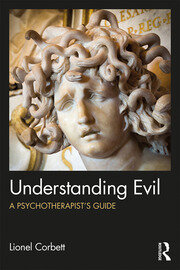

Preface. What is evil? Can we understand evil? The approach of social science to evil. Psychoanalytic approaches to evil. Jung on evil. Biological factors that predispose to evil. Religious, mythological, and philosophical views of evil. Psychological aspects of terrorism. Is evil part of human nature?
Biography
Lionel Corbett is a psychiatrist and Jungian analyst in private practice, and professor of depth psychology at Pacifica Graduate Institute, USA. His main professional interests are the religious function of the psyche and the interface of Jungian and psychoanalytic psychology, and his previous books include The Religious Function of the Psyche (Routledge).
"This is a sensitive and profound exploration of the problem of evil at it confronts psychotherapists, citizens, and in fact all human beings at most critical points in their lives. Dr. Corbett brings complex analytical understanding and years of personal experience as a psychotherapist to bear on one of the most difficult topics of our times. Many people will find this a most helpful guide through dark times and treacherous passages in their lives." --Murray Stein, Ph.D., author of Jung’s Map of the Soul
"In tackling the enormously complex topic of "evil," Lionel Corbett has done a great service to the worldwide psychotherapy community. Carefully presenting the many strands from philosophy, religious studies, science, and cultural studies, Corbett weaves a non-reductive vision of evil and the challenges it presents to the clinician. Be prepared to wrestle with the daimonic when you open the pages of this remarkably reflective contribution to psychological, analytic and moral studies." --Joe Cambray, Ph.D., President/CEO, Pacifica Graduate Institute
