




1st Edition
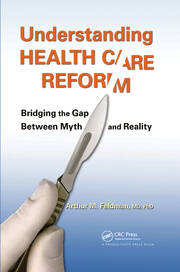
Understanding Health Care Reform Bridging the Gap Between Myth and Reality
Introduction
Reforming the Private Insurance Industry
The Private Insurance Industry in the United States
Reforming the Private Insurance Industry
Flaws in the Patient Protection and Affordable Care Act
Strengthening the Health Care Reform Legislation
Notes
How Will Health Care Reform Affect the Medicare and Medicaid Populations?
About Medicare
How Does the Health Care Reform Legislation Change Medicare and Medicaid?
The Independence at Home Program
Medical Homes
Accountable Care Organizations
The Extension Program Hub
Community Health Centers
Lowering Medicare and Medicaid Costs
State Governments and Medicaid-Medicare Reform
Lowering Health Care Costs through Health Care Reform
Notes
Can We Lower Health Care Costs by Eliminating Waste?
Medical Waste and Economic Waste
Cost-Benefit Analysis
Controlling Medical and Economic Waste
Medical Spending in the Last Days of Life
The Patient Protection and Affordable Care Act and Waste
Placing the Burden of Cost Control on the Patient
Placing the Responsibility for Decreasing Waste on Hospitals
Unintended Consequences of Attempts to Eliminate Waste
Developing a Rational and National Strategy to Reduce Waste
Notes
The Role of Disease Prevention in Health Care Reform
Prevention and Wellness Programs in the Patient Protection and Affordable Care Act
Section 2705 of the Patient Protection and Affordable Care Act—Legislating Wellness!
The U.S. Preventive Services Task Force: Another Potential Flaw in the Patient Protection and Affordable Care Act
Prevention Doesn’t Lower Health Care Costs—It Might Actually Increase Them!
Addressing the Epidemic of Obesity—And Health Care Reform
Individuals Must Often Support the Costs of Prevention
Steps to Ensure Prevention and Wellness
Notes
How Will Health Care Reform Affect the Medically Underserved and the Safety Net Hospitals That Care for Them?
The Health Care Safety Net
The History of Safety Net Hospitals
Disproportionate-Share Hospital Payments
Safety Net Hospitals Falter When DSH Funds Are Redirected to Pay for Health Insurance
The Patient Protection and Affordable Care Act Threatens the Country’s Safety Net
Pay-for-Performance Can Also Threaten Safety Net Hospitals
The Health Care Exchange
Will the Exchanges Work?
Some States Are Ahead of the Curve—Others Behind It
Health Care Reform in Massachusetts: A Template for Health Care Exchanges?
How Can the Patient Protection and Affordable Care Act Be Modified to Protect the Safety Net?
Notes
How Can We Improve the Quality of Care in the United States?
The Cost-Quality Conundrum
The Dartmouth Atlas and Health Care Reform
Measuring Quality of Care
Measuring Quality of Care: The Health Care Reform Legislation
Pay-for-Performance
The Electronic Health Record
Value-Based Purchasing
Substantive Steps Taken by the Patient Protection and Affordable Care Act
What Additional Steps Should Congress Take to Ensure Quality of Care?
Notes
Will There Be Enough Doctors to Care for 35 Million New Patients?
How Does the Patient Protection and Affordable Care Act Address the Workforce Crisis?
The 1997 Balanced Budget Act and the Health Care Workforce Crisis
The Changing Demographics of the Physician Workforce
The Workforce Crisis Is Not in Primary Care Alone
Lessons from Massachusetts
How Have We Approached the Need to Increase the Number of Practicing Physicians in the United States?
Danger around the Corner
What Should We Do to Increase the Size of the Health Care Workforce?
Notes
Can Research Guide Us to Improved Care at Lower Costs?
Why Comparative-Effectiveness Research Has Become a Lightning Rod in the Health Care Debates
The Patient Protection and Affordable Care Act and Comparative-Effectiveness Research
The Potential Value of Comparative-Effectiveness Research
Can Comparative-Effectiveness Research Lower Costs?
Limitations of Comparative-Effectiveness Studies
Using Comparative-Effectiveness Research
Notes
How Will Health Care Reform Change the Way We Practice Medicine?
Physician Compensation
The Sustainable Growth Rate
How Did the Patient Protection and Affordable Care Act Change the Way Doctors Are Paid?
Pay-for-Performance
Payment Bundling
Global Payment
Electronic Health Records
Multispecialty Group Practices
The Independent Payment Advisory Board
How Can the Patient Protection and Affordable Care Act Be Improved?
Notes
Will We Ever See Tort Reform in the United States?
The Current Tort System
Malpractice Caps
The Patient Protection and Affordable Care Act Failed to Address Tort Reform
Medical Malpractice—A Silent Disease
Employment Law and the Health Professions
It Is Not Too Late—Novel Strategies for Reforming Our Tort System
Notes
Conclusion
Surviving Health Care Reform
Notes
Index
Biography
Arthur M. Feldman, MD, PhD, is the Executive Dean at the Temple University School of Medicine.
