




162 Pages
by
Routledge
160 Pages
by
Routledge
160 Pages
by
Routledge
Also available as eBook on:
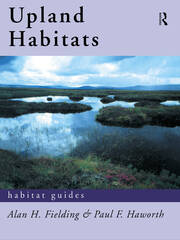
Upland Habitats presents a comprehensive illustrated guide to the habits wildlife and conservation of Britains last wilderness areas. These include: heather moors, sheep walk deer forest, blanket bogs, montane and sub-montane forests. The book examines the unique characteristics of uplands and the ecological processes and historical events that have shaped them since the end of the last... Read more
1. Introduction, 2. Ecology of Upland Habitats, Where ar e the Uplands? The importance of geology, The Importance of climate, A short history of the uplands, Land use in the uplands, Major upland habitats and species, Upland fauna, Summary 4. Management and Conservation Protection nad subsidies, Grazing, Grouse Moor, Forestry, Atmospheric Pollution, Recreation, access and skiing. 4. Case Studies Red deer, The Cairngorms, The golden eagle, A History of the vegetation and land use in the South Pennines 5. Practical Work Experimental design, Health and safety, Heath rush seed heads, Growth and grazing experiments on purple moor grass, Footpath erosion, Sheep behaviour, Comparative studies on bracken, Recording vegetation change using aerial photographs References, Glossary, Species List, Further Reading
Biography
Dr Alan Fielding is a Senior Lecturer in Ecology at Manchester Metropolitan University with a particular interest in the development of novel methods of investigating ecological problems. Dr Paul Haworth is now working as a freelance ecologist based on the Isle of Mull. He has peviously worked as a professional ecologist for various statutory agencies. Both authors are responsiblef or a long-term investigation into the ecology of the raptor community of the island of Mull.
