




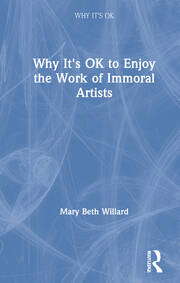

- Introduction
- Boycotts as Punishment
- Expressive Boycotts
- Separating the Art from the Artists
- #CancelEverything
- Aesthetic Lives, Ethical Reasons
Biography
Mary Beth Willard is an Associate Professor of Philosophy at Weber State University in Ogden, Utah. She received her Ph.D. from Yale University and writes primarily on topics in aesthetics and blogs at aestheticsforbirds.com.
"The question of what to do with the works of artists who have committed serious moral transgressions has never felt more pressing than it has in the years since the #metoo movement shook the foundations of the art and entertainment industry. Like many other flashpoints of contemporary discourse, discussion of this issue has been intensely polarized between strident reformers and their reactionary opponents. Little effort has been made to explore the middle ground. Mary-Beth Willard's Why it's OK to Enjoy the Work of Immoral Artists is a refreshing attempt to do just that. In a clear and accessible style, she carefully surveys a range of arguments on both sides, taking these arguments seriously while at the same time insisting that they must be critically scrutinized and weighed against competing considerations.This book is essential reading for anyone seriously interested in the topic. Many readers will find their views challenged by Willard's arguments, and whether they come away convinced or not, they will no doubt benefit from considering her thoughtful and nuanced point of view."
Matthew Strohl, University of Montana
