



1st Edition
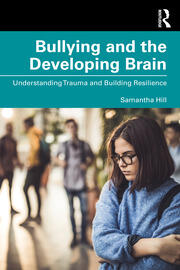
Bullying and the Developing Brain Understanding Trauma and Building Resilience
Introduction: Why Bullying Is a Public Health Concern
Part I: The Neuroscience of Bullying
Chapter 1: Rethinking Bullying: More Than an Argument Between Children
Chapter 2: The Brain Under Stress
Chapter 3: How Bullying Affects the Brain
Part II: Helping Children to Heal (or Recovery and Healing)
Chapter 4: The Road to Recovery
Chapter 5: For Parents: Recognising and Responding to Bullying
Part III: Changing the System
Chapter 6: What Teachers Can Do to Prevent and Heal the Impact of Bullying
Chapter 7: Recovery, Clinical Formulation, and Long-Term Outcomes
Chapter 8: Taking Action: Advice for Policymakers and Professionals
Chapter 9: When the Wounds Do Not Fade: Supporting Adult Survivors of Childhood Bullying
Conclusion: A Call to Action
Biography
Samantha Hill is a lecturer and mental health educator at University College Birmingham, where she teaches on the Student Nursing Associate programme. She holds an MSc in Mental Health Science and has a professional background in nursing education, mental health, trauma-informed practice and safeguarding. Her work focuses on the developmental, psychological and neurobiological impact of childhood bullying, with a particular interest in how trauma-informed approaches can support children, families, educators and health professionals. Bullying and the Developing Brain: Understanding Trauma and Building Resilience brings together neuroscience, mental health research, education, safeguarding and lived experience to challenge the idea that bullying is a harmless part of growing up.
“Coram Kidscape's work has shown us time and again that chronic bullying is traumatic — and must be recognised as such. We have seen the need for parents, carers and those working with children to have access to clear, accessible, trauma-informed guidance that gives them the confidence to respond to bullying sensitively and effectively. Bullying and the Developing Brain fills that gap with rigour, practical insight and, most importantly, hope that recovery is possible — and that informed adults, supportive relationships and coordinated systems can make all the difference.”
Kat Fuller, Parent Support Manager, Coram Kidscape
