




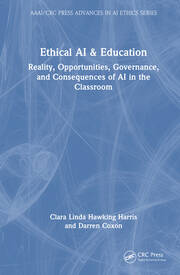
1st Edition
Ethical AI and Education Reality, Opportunities, Governance, and Consequences of AI in the Classroom
Dedication
Preface
Acknowledgements
Chapter 1. Introduction: Setting the Stage for Ethical AI in Education
Chapter 2. A Brief History of Digitising Education: Promises and Pitfalls
Chapter 3. The COVID-19 Effect: Opportunities and Unintended Consequences
Chapter 4. Hype vs. Reality: AI EdTech Enters the Scene
Chapter 5. AI Ethics in Practice: Building a Human-Centered Classroom
Chapter 6. AI Governance Frameworks for Schools
Chapter 7. Regulatory Landscape: Privacy Laws, EU AI Act, COPPA, and Beyond
Chapter 8. Human Rights as a Foundation: Equitable and Inclusive AI
Chapter 9. Vision for 2030: Preparing for the Classrooms of the Future
Chapter 10. Conclusion: Keeping It Real—Moving Forward
Appendices
Biography
Clara Hawking is an AI Governance leader and Ethicist. With a background in computer science and a specialisation in AI ethics, she works with schools, governments, and international organisations to support the responsible and effective integration of AI into learning environments. Clara has led large-scale AI governance initiatives across international school groups and has trained thousands of educators and leaders on ethical and lawful AI use. She is a contributing advisor on AI in education to global institutions and a frequent speaker on AI policy, governance, and the future of education. Her work focuses on aligning technological innovation with educational purpose, safeguarding, and institutional responsibility.
Darren Coxon is an education leader, researcher, and writer with extensive experience in digital strategy, educational technology, and institutional development. His work focuses on the intersection of pedagogy, technology, and system-level change in schools. Darren has held senior leadership roles in international education and has contributed to research and practice in areas including digital transformation, curriculum innovation, and the impact of emerging technologies on teaching and learning. His writing explores the practical and philosophical implications of technology in education, with a particular focus on how schools can respond thoughtfully to rapid technological change.
