





1st Edition
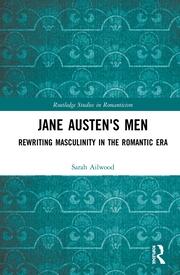
Jane Austen's Men Rewriting Masculinity in the Romantic Era
Introduction: Rewriting Masculinity in the Romantic Era
Chapter One
The men of ‘real Life’: Educating the Reader in Sense and Sensibility
Chapter Two
"I will prove myself a man": Northanger Abbey
Chapter Three
‘A man violently in love’: Pride and Prejudice
Chapter Four
"You will make him everything": Masculine Redemption in Mansfield Park
Chapter Five
"A disgrace to the name of man": Emma, the National Tale and the Historical Novel
Chapter Six
‘Feelings glad to burst their usual restraints’: Persuasion
Conclusion: Sanditon, Unfinished Work and New Directions
Biography
Sarah Ailwood is Assistant Professor at the University of Canberra. She completed her PhD on Jane Austen and masculinity at the University of Wollongong, and has published essays and articles on Austen’s men. She co-edited Katherine Mansfield and Literary Influence (EUP, 2015) and has wide research interests in women’s writing, particularly historical and contemporary life narrative and legal experience.
"In Jane Austen's Men: Rewriting Masculinity for the Romantic Era, Sarah Ailwood demolishes once and for all the notion that Jane Austen did not understand men. In this engaging, deeply perceptive book, she argues that Austen undertook the inherently risky task of re-creating a psychologically complex masculinity to complement women's individual agency and subjectivity. Companionate marriage, in Austen's reworking of the romantic courtship novel, looks both attractive and startlingly modern."
--Jocelyn Harris, Professor Emerita, University of Otago.
