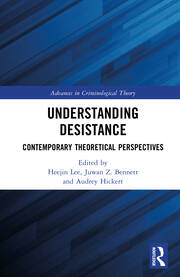
Understanding Desistance explores research and theory on the processes by which people stop offending. Since the early 1990s, following the influential work of Sampson and Laub, Gottfredson and Hirschi, and Moffitt, criminologists have increasingly examined criminal behavior from a life-course perspective. This perspective has focused on understanding why people begin offending, persist in...
Read moreUnderstanding Desistance explores research and theory on the processes by which people stop offending. Since the early 1990s, following the influential work of Sampson and Laub, Gottfredson and Hirschi, and Moffitt, criminologists have increasingly examined criminal behavior from a life-course perspective. This perspective has focused on understanding why people begin offending, persist in criminal behavior, and ultimately desist from crime. Because most offenders terminate their criminal careers in adulthood, the study of desistance is of fundamental theoretical and empirical importance to criminology.
Building on this tradition, this edited volume brings together leading scholars to examine current theories, debates, and empirical developments in desistance research. Across 11 chapters, contributors explore the complex processes through which individuals cease offending and the factors that facilitate or hinder long-term behavioral change.
The volume is organized into three sections. Part I presents contemporary perspectives and emerging debates, including the roles of health, human agency, narrative identity, and race in shaping pathways out of crime. Part II focuses on desistance from specific types of crime, including gang involvement, white-collar crime, terrorism, and sex trafficking. Part III explores how criminal justice systems, policies, and interventions can facilitate desistance, including discussions of corrections, second-chance opportunities, and deterrence.
Offering cutting-edge scholarship on one of criminology’s most influential areas of research, this volume will be of interest to scholars, researchers, and practitioners, and will serve as a valuable resource for graduate seminars and advanced undergraduate courses in criminology and criminal justice.
Read less