




1st Edition
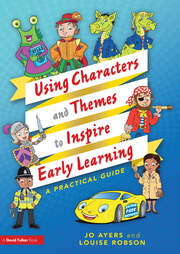
Using Characters and Themes to Inspire Early Learning A Practical Guide
Introduction 1. Sammy the Sports Car Setting the scene Sessions 1-4 Appendix 1 2. The mysterious seed Setting the scene Sessions 1-5 Appendix 2 3. Nancy the Knight and Lord Lawrence Setting the scene Sessions 1-6 Appendix 3 4. Walk the Plank: Pirate Adventure Setting the scene Sessions 1-5 Appendix 4 5. Police Officer Pete and Detective Della Setting the scene Sessions 1-6 Appendix 5 Resources
Biography
Jo Ayers and Louise Robson are Reception teachers and early years consultants, UK. They provide practical support to schools and early years settings in delivering the Early Years Foundation Stage, phonics and literacy.
Kirsty Stickley, Hampshire County Council, UK
This book has a strong emphasis on involving children in the practical element of planning. It is written using a wide range of themes which are current and will inspire children of different ages and stage of development. Overall I think this book provides excellent examples of good practice and a platform for early year’s practitioners to use. It is very detailed, provides prompts and using a wide range of resources to support the learning.
Sue Gascoigne, Play to Z, UK
Any book that encourages and helps practitioners ensure that children have the opportunity to take ownership of their play and learning, become independent learners, develop sustained shared thinking and become experts is of course to be welcomed. From the proposal details it would appear that the authors have managed to do just that using this thematic ‘mantle of the expert’ approach to learning. I love the idea of giving an opportunity for children to become experts and wonder if practitioners would benefit from suggestions as to how best to achieve/facilitate this as a group, small groups, etc. With careful design this resource could also become a tool for empowering and developing practitioner’s capacity.
