




1st Edition
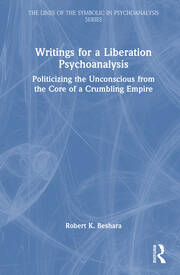
Writings for a Liberation Psychoanalysis Politicizing the Unconscious from the Core of a Crumbling Empire
Series Preface by Ian Parker
1. Introducing Writings for a Liberation Psychoanalysis
2. Djehuty, Ibn Rushd, and the Question of Esoteric Writing
3. A Decolonial Palimpsest
4. Lacan and Said
5. The Importance of Freudo-Lacanian Psychoanalysis for Liberation Praxis
6. A Liberation Psychoanalytic Account of Racism
7. The Psychoanalysis of Racism and the Racism of Psychoanalysis
8. The Other Side of Abyssal Psychoanalysis
9. Analectical Psychology as a Transmodern Praxis
10. Critique of Postcolonial Unreason
11. A Lacanian Discourse Analysis of anti-CRT Ideology
12. Ye: (Anti-)Christ?
13. Anora: Or The Impossibility of Love Within Capitalism
14. Three Clarifications
15. Seeing Gazans Through Decolonial Eyes
16. Conclusion
References
Biography
Robert K. Beshara is the founder of the Critical Psychology website, www.criticalpsychology.org. In addition to being an Associate Professor of Psychology and Humanities at Northern New Mexico College, he is a psychoanalyst-in-formation with the Lacanian School of Psychoanalysis. He is also the author of numerous books, Decolonial Psychoanalysis: Towards Critical Islamophobia Studies (Routledge, 2019), Critical Psychology Praxis: Psychosocial Non-Alignment to Modernity/Coloniality (Routledge, 2021), and Radical Humanism: Decolonizing Perspectives in Critical Psychology (Routledge, 2026).
“After his first two books, Decolonial Psychoanalysis and Freud and Said, Robert Beshara begins again and again… This third book, Writings for a Liberation Psychoanalysis, is the return of psychoanalysis to its revolutionary potentials via an ethics of the social. Beshara joins the reader on a magical carpet voyage, one that is turbulent, disturbing, desirous, and transformative, but above all, libidinized by an internal sense of radical hope. It is a voyage from Djehuty and Ibn Rushd to Freud, Lacan, and Said towards the impossibility of love within capitalism. What remains unapologetically clear throughout the book is Beshara’s commitment to an ethics of liberation psychoanalysis.”- Gohar Homayounpour, author of Persian Blues, Psychoanalysis and Mourning
“Psychoanalysis beyond alienation and beyond existential fatalism! Liberation psychoanalysis as revolutionary love… This book outlines the lesser travelled path in the psychoanalytic field, which has today either become an esoteric practice or a discourse of mastery. Beshara reminds us that it is neither, nor that it continues to harbor a future promise for humanity. A must read for the dark times ahead…”- Nadia Bou Ali, Associate Professor, Critical Humanities for the Liberal Arts CHLA, University of Beirut; author of Psychoanalysis and the Love of Arabic: Hall of Mirrors
