




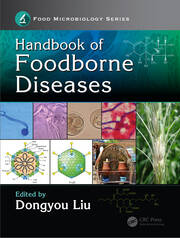
Introductory remarks. Foodborne diseases due to viruses. Adenovirus. Astrovirus. Enterovirus. Hantavirus. Hepatovirus (HAV). Kobuvirus (Aichi virus). Orthohepevirus (HEV). Norovirus. Rotavirus. Sapovirus. Torovirus. Prion. Foodborne diseases due to bacteria. Gram-positive bacteria. Bacillus (including cereulide and enterotoxins). Clostridium (including botulinum toxin). Enterococcus. Listeria. Mycobacterium. Staphylococcus (including toxins). Streptococcus (including toxins). Gram-negative bacteria. Aeromonas. Arcobacter. Brucella. Burkholderia. Campylobacter. Cronobacter. Enterobacter. Escherichia. Helicobacter. Plesiomonas. Proteus. Pseudomonas. Salmonella. Serratia. Shigella (including shiga toxin). Vibrio. Yersinia. Foodborne diseases due to fungi. Aureobasidium. Candida. Encephalitozoon. Enterocytzoon. Mucor. Foodborne diseases due to parasites Protozoa. Balantidium. Blastocystis. Cryptosporidium. Cyclospora. Dientamoeba. Entamoeba. Giardia. Isospora. Sarcocystis. Toxoplasma. Tryponosoma. Helminths. Angiostrongylus. Anisakis. Clonorchis. Diphyllobothrium. Diplogonoporus. Echinococcus. Echinostomes. Fasciola. Fasciolopsis. Gnathostoma. Haplorchis. Heterophyes. Hymenolepis. Metagonimus. Metorchis. Opisthorchis. Paragonimus. Spirometra. Taenia. Trichinella. Foodborne diseases due to toxins. Microbial toxins. Aflatoxins. Ergot alkaloids. Fumonisins. 3-Nitropropionic acid (3-NPA). Ochratoxins. Patulin. Ptomaine. Trichothecenes. Zearalenone. Seafood toxins. Brevetoxin. Ciguatoxin. Clupeotoxin. Domoic acid. Saxitoxins. Scombrotoxin. Tetrodotoxins. Plant toxins. Grayanotoxin. Mushroom toxins. Myristicin. Phytohaemagglutinin. Picrotoxin. Pyrrolizidine alkaloids. Saponins. Solanine. Taxine. Environmental toxins. Agricultural chemicals (e.g., dioxins, organophosphate). Chemicals from utensils and other sources (e.g., copper, zinc, lead, cadmium, mercury). Food additives.
Biography
Dongyou Liu, Ph.D., undertook veterinary science education at Hunan Agricultural University, China, and postgraduate training at Melbourne University, Australia. Over the past two decades, he has worked at several research and clinical laboratories in Australia and the United States of America, with focuses on molecular characterization and virulence determination of microbial pathogens (e.g., ovine footrot bacterium, dermatophyte fungi and foodborne listeria) and more recently on the development of nucleic acid-based quality assurance models for security sensitive and emerging viral pathogens. He is the primary author of > 50 original research and review articles in peer-reviewed international journals, the contributor of 176 book chapters, and the editor of a number of books including: Molecular Detection of Foodborne Pathogens (2009), Molecular Detection of Human Viral Pathogens (2010), Molecular Detection of Human Bacterial Pathogens (2011), Molecular Detection of Human Fungal Pathogens (2011), Molecular Detection of Human Parasitic Pathogens (2012), and Laboratory Models for Foodborne Infections (2017).
Book Review from:The Midwest Book Review
Compiled and deftly edited by Dongyou Lie, the "Handbook of Foodborne Diseases" summarizes the latest findings on more than 100 foodborne diseases and thier causative agents. With contributions from international experts on foodborne pathogens, toxins, and toxin agents research, this volume provides state-of-the-art overviews of foodborne dieseases in relation to their etiology, biology, epide,iology, clinical presentation, pathogenesis, diagnosi, treatment, and prevention. Apart from offering a comprehnsive textbook for undergraduate and postgraduate students in food, medical, and veterinary microbiology, this deftly organized and presented volumne constittues a valuable reference on foodborne diseases for medical professionals and health authorities, and forms an informative educational resoirce for the general public.
Reviewer: Carl Logan
